One-press emergency connection

24/7 UK control room response

Works at home and outdoors


What Families Tell Us
"When Mum fell in the bathroom, she couldn't get to her phone. The emergency button saved her life. The ambulance was there so quickly."
Susie, daughter of HelpAlert member
How it works
Fall detected automatically
Even if the button can't be pressed, the watch calls for help.
We Respond
Our UK team checks in. If there's no answer or it's an emergency, we contact family and dispatch help.
Help arrives fast
Emergency services are dispatched if needed. We stay on the line until help arrives and your family is notified.
Who the Emergency Button Is For

An emergency button for immediate help
This emergency alarm is designed for anyone who wants instant access to help at the press of a button.
Older people living alone who want reassurance that help is always available
Anyone at risk of falls or sudden health events like strokes, seizures, or diabetic episodes
People recently discharged from hospital who need extra support during recovery
Families and carers who want 24/7 peace of mind that help is one press away
Choose Your Emergency Button
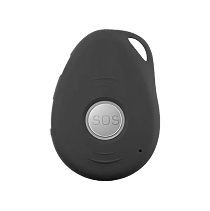
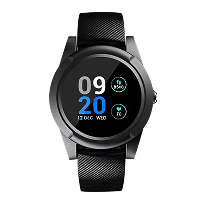
Our Emergency Button Alarms
Fall Detection Alarm Watch.


Fall Detection Alarm Pendant.


Real-Life Situations Where Emergency Buttons Help
Each person has unique needs - we match the right device to their lifestyle and daily routines.

Independent Older Adults

People with Limited Mobility

Those Living Alone

Night-time Fall Prevention

Recovery After Hospital Stay
How Fall Detection Works?
- Motion sensors Built-in accelerometers and gyroscopes measure sudden movements and impacts. A rapid downward drop followed by a sharp stop and little movement suggests a fall.
- Automatic alarm When the sensors detect a likely fall, the device immediately calls the 24/7 monitoring centre without the user doing anything.
- Human response: Trained operators try to speak with the person through the alarm's two-way speaker. Even if there's no response, they'll still send help immediately.


Fall Detection FAQs
Find the answers you need right here.
Do fall detection alarms really work?
Yes – automatic fall detection alarms really do work and save lives. Modern devices achieve around 85-95% accuracy for detecting genuine falls. Whilst no system is 100% perfect, the vast majority of serious falls will be caught by the technology.
Will every fall be detected?
Not every single fall will trigger the alarm. The sensors look for specific patterns like sudden drops, impacts, and a lack of movement. Very slow falls or cushioned landings might not always register. However, most falls that leave someone on the ground will be picked up.
What if the alarm goes off by mistake?
False alarms can happen occasionally during vigorous movement or if the device is dropped. If this happens, simply tell the monitoring operator it was a false alarm and that you're okay. Some devices give you 10-15 seconds to cancel an automatic call before it goes through.
What if my loved one can't respond when help calls?
If there's no response from the user, the monitoring team assumes it's serious and sends help immediately. They won't leave someone alone in an emergency – help will be dispatched even if the person is unconscious or can't speak.
Does it work outside the home?
Yes, with GPS-enabled devices. HelpAlert's fall detection alarms use multi-network mobile coverage and GPS technology to protect users wherever they go in the UK, not just at home.
How accurate is the location tracking?
GPS technology can pinpoint the user’s location within a few metres, which is vital for getting help quickly, especially when someone is out and about.
Do grab bars and non-slip mats work?
Yes. Installing grab bars beside the toilet and shower plus non-slip bath mats can reduce bathroom falls by up to 50 percent. (Enquire about how we can provide your home with grab bars/non-slip mats)
How long until I feel steadier?
Confidence often rises within three weeks of regular exercise. Noticeable strength gains appear after six to eight weeks but benefits fade if you stop training.
Which medical conditions cause frequent falls?
Parkinson’s disease, stroke, diabetic neuropathy and orthostatic hypotension are leading causes. Specialist physiotherapy plus home safety changes help reduce falls in these conditions.
Who is at the greatest risk of falling?
Adults over 65 who have fallen in the past year, take four or more medications or report balance problems face the highest fall risk and should book a comprehensive falls assessment promptly.
Installation you can trust
Installation you can trust
Approved by Which? Trusted Traders
We’re proud that our alarm installation service has been checked and endorsed by Which? Trusted Traders. That means when one of our trained team members sets up your personal alarm or key safe, you can expect a high standard of care, safety, and professionalism.